 Borgo il Piazzo
The medieval heart of Biella
Borgo Ospite
municipality of Biella
(Provincia di Biella)
Altitude
m. 490 s.l.m.
population
43408 (1298 nel borgo)
saint patron
Santo Stefano, 26 dicembre
turist information
ATL BIELLA
Piazza Vittorio Veneto, 3, 13900 Biella BI
015 351128
infobiella@terrealtopiemonte.it
www.comune.biella.it – www.visitbiella.it
INSTAGRAM: https://www.instagram.com/cittadibiella;
FACEBOOK:https://www.facebook.com/biellacitta;

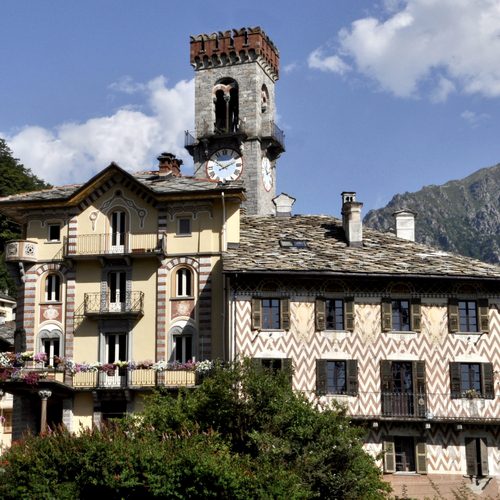
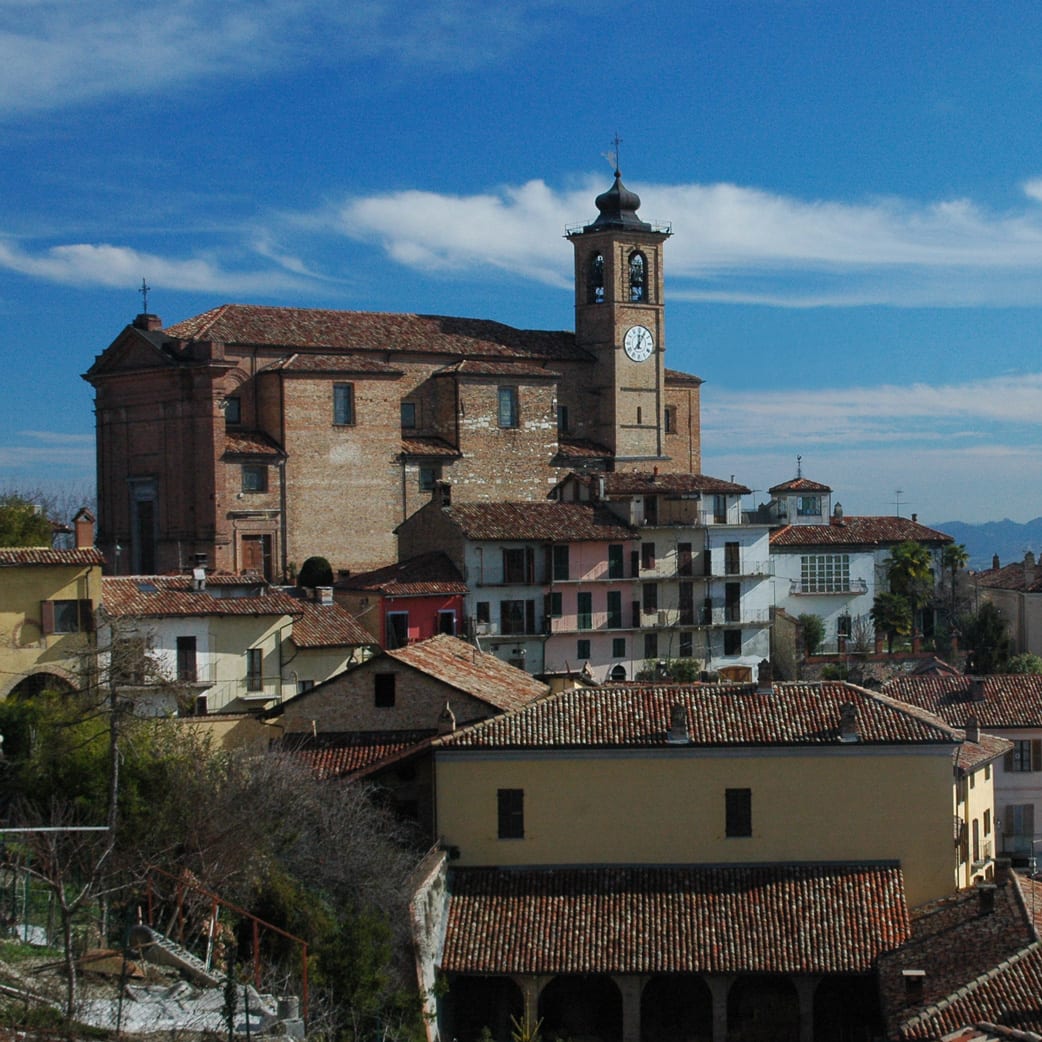
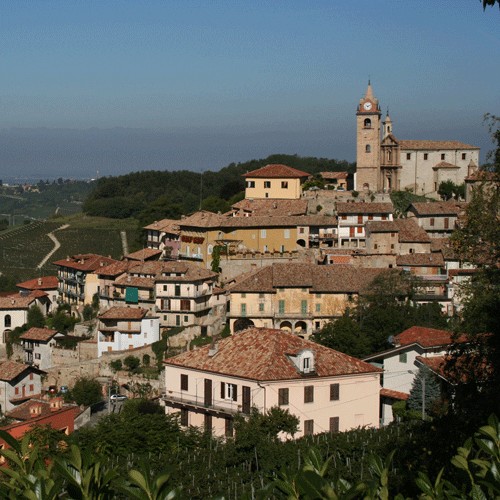
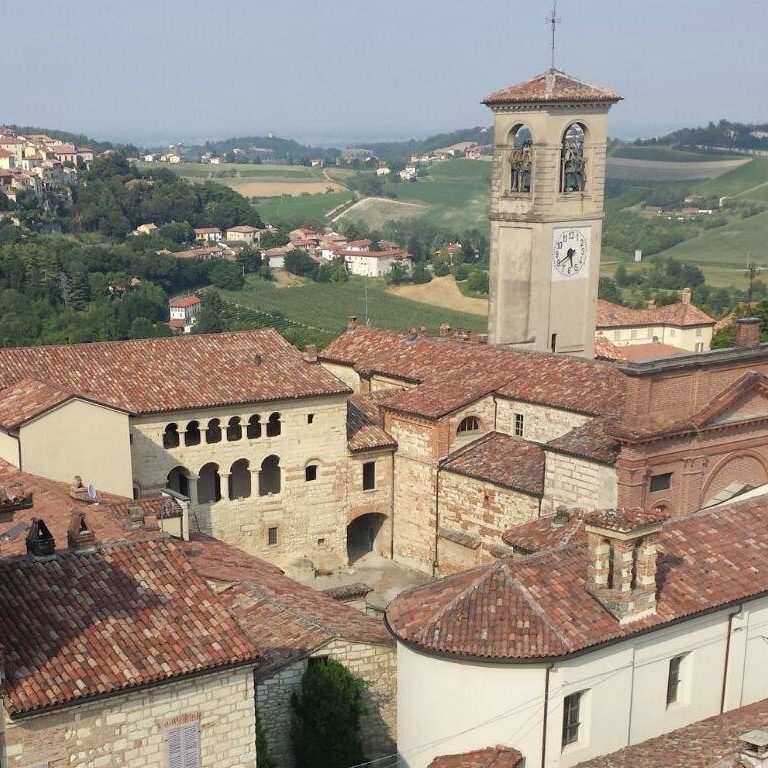
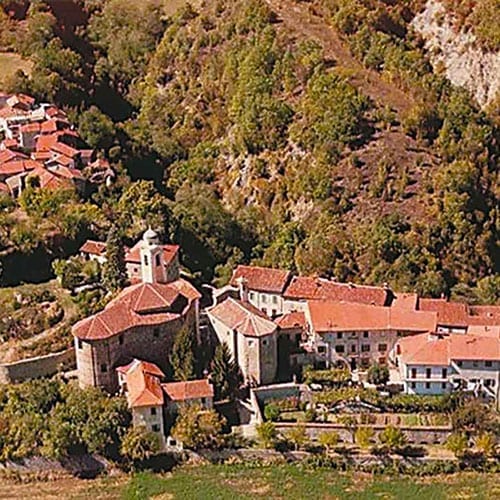
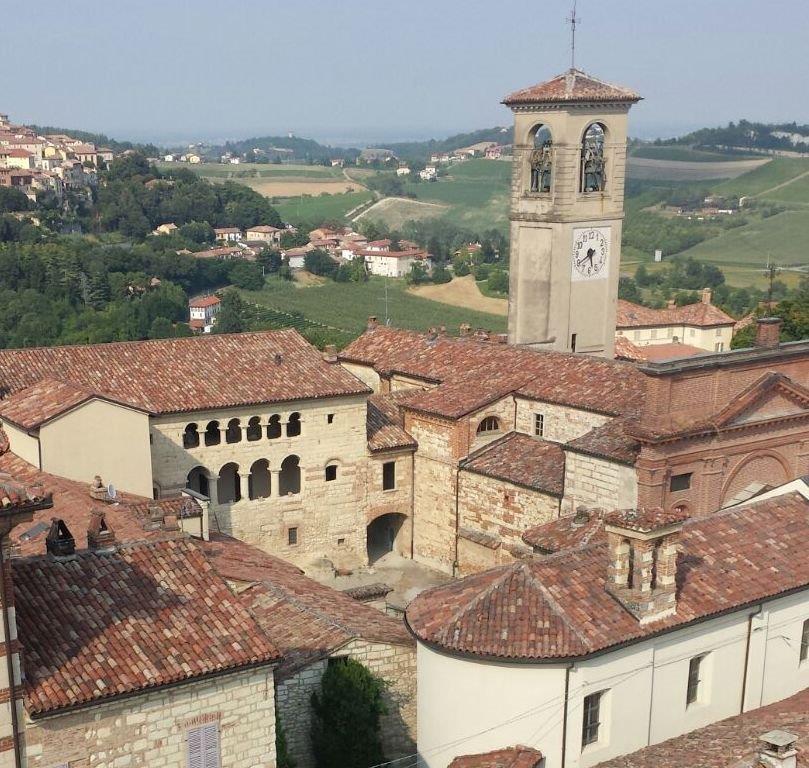
Piazzo is the upper part of Biella, where visitors can walk at a slow pace to admire medieval arcades, the main square, historical palaces and views over the city.
The “coste”, steep and cobbled streets, climb up from the “Piano”, the lower part of the city, towards the borgo, that can be reached also by funicolar.
Piazzo’s foundation dates back to 12th of April 1160, when Uguccione, bishop of Vercelli, decides to create a safe defence residency to protect the area from struggles between Vercelli’s Ghibellin and Biella’s Guelfs and to grant a series of privileges, such as the administration of justice, the slaughtering of meat and the weekly market to people who decides to settle in this area. Piazzo thus becomes Biella’s political and economical center, inhabited by noble families loyal to the bishop.
After moving the administrative offices to the “Piano”, Piazzo has preserved an authentic historical appearance with no significant changes since the late 19th century.
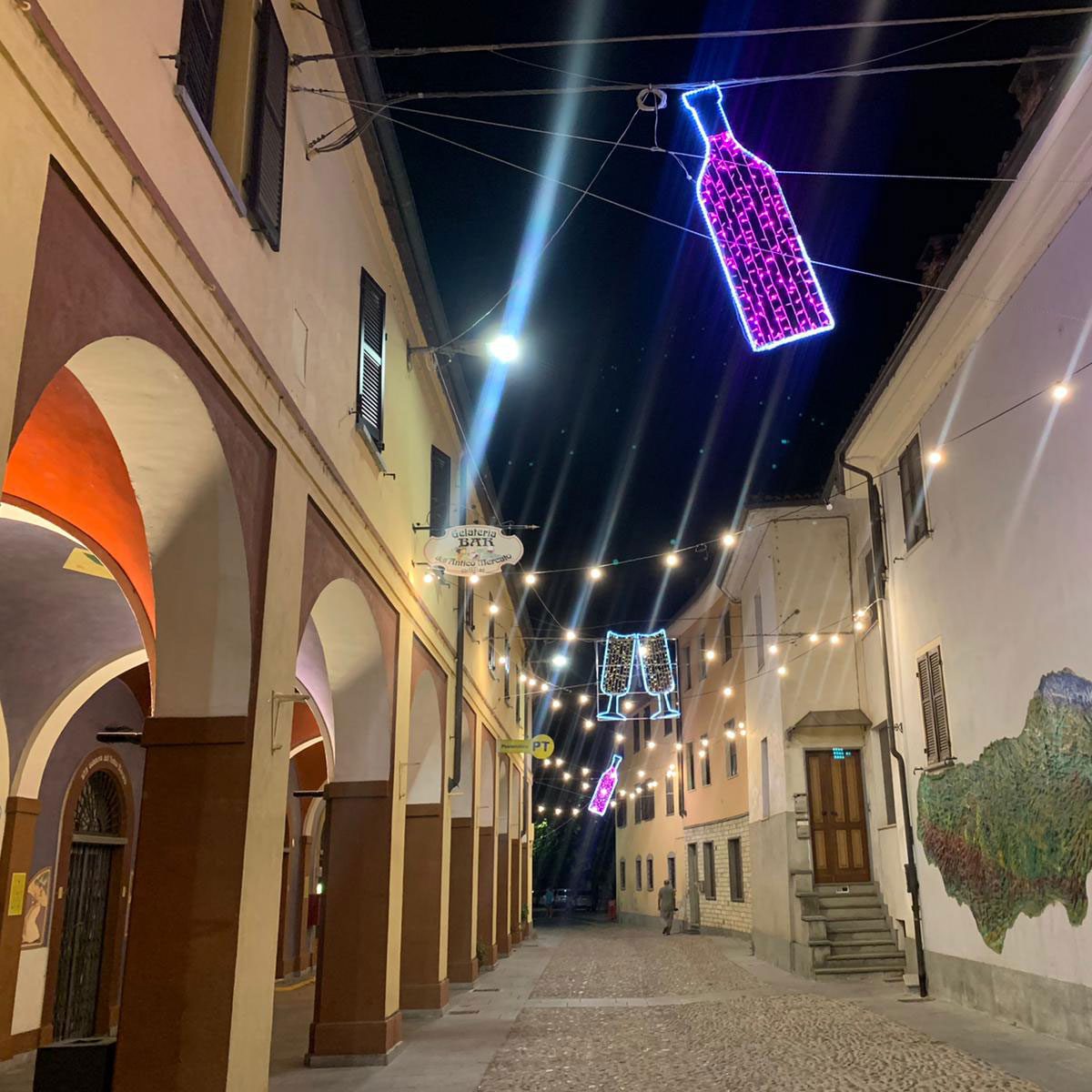
The central Cisterna square is lively, expecially during summer evenings, surrounded by medieval arcades, cafes and restaurants.
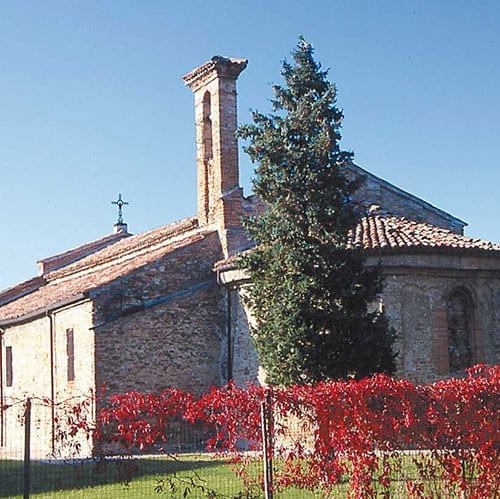
On the south side, you can reach a smaller, intimate, square with the thirteen century Church of St. Giacomo. Once walled and closed by monumental gates, today Piazzo is a vibrant and well-kept district, where palaces, squares and alleys create a historical, harmonious whole.
– Cisterna Square: the center of the borgo, surrounded by medieval arcades and palaces such as that of Princes Dal Pozzo della Cisterna and the former Town Hall.
– La Marmora Palace: house museum dating back to 16th century, has always belonged to Ferrero Della Marmora family and preserves evidence of seven centuries of history.
– Gromo Losa Palace: once the residence of the counts of Gromo Losa di Prarolo, dating back to 14th century, today hosts Fondazione Accademia Perosi, one of Italy’s most prestigious musical institutions.
– Ferrero Palace: built between the 15th and 16th centuries by the Ferrero family, now hosts cultural exhibitions and events, featuring a panoramic garden overlooking the city. The octagonal tower was commissioned by Sebastiano Ferrero.
– St. Giacomo Church: the most ancient medieval building preserved in Piazzo, dating back to 13th century.
Il Piazzo conserva l’impianto della città medievale e offre scorci panoramici sulle montagne biellesi e sulla città. I vicoli acciottolati attraversano il borgo tra portici bassi, palazzi storici e antiche dimore nobiliari. È possibile raggiungere a piedi il Piazzo percorrendo ripide stradine dette “coste”, partendo dal Piano oppure tramite la funicolare.
– Porta della Torrazza (o Porta d’Oropa): in epoca medioevale era una porta fortificata e oggi è sostituita da una porta decorativa, costruita dal Comune nel 1780 per commemorare la visita di Vittorio Amedeo III e Maria Antonia Ferdinanda di Spagna.
– Piazza Cisterna: circondata da portici medievali, è da sempre il cuore del borgo. Sulla piazza si affaccia il palazzo dei principi Dal Pozzo della Cisterna e, sul lato opposto, l’ex Palazzo Comunale.
– Palazzo Dal Pozzo della Cisterna: fu eretto sul luogo in cui sorgevano le case dei loro avi dai fratelli Lodovico, Giacomo, Fabrizio (conte di Ponderano) e Carlo Antonio (arcivescovo di Pisa) Dal Pozzo.
– Antico palazzo del Comune: fu acquistato dal Comune nel 1298 per farne la propria sede fino al 1848, quando il Comune fu trasferito a Biella Piano e il palazzo divenne proprietà privata.
– Casa su travi in legno: antica testimonianza di un edificio costruito in struttura mista con legno e laterizi intonacati.
– Casa Teccio: casa situata in piazza Cisterna, impreziosita da fregi in cotto.
– Chiesa parrocchiale di San Giacomo: situata nell’omonima piazzetta, fu consacrata nel 1227; conserva un pregiato trittico di Daniele De Bosis e le reliquie del beato Agostino de Fango.
– Ghetto ebraico e Sinagoga: venne istituito nel 1723, fra corso del Piazzo e vicolo del Bellone, come documenta la scritta “Il ghetto degli ebrei” visibile sopra l’arco dell’edificio in corso del Piazzo 6. Dai ballatoi delle case era possibile accedere direttamente alla Sinagoga sita al primo piano dell’edificio in Vicolo del Bellone 3.
Toma biellese, maccagno cheese, butter and corn flour are main ingredients for polenta concia. Risotto is also a traditional local dish, best enjoyed with a glass of Lessona DOC wine. Another specialty of Biella is paletta, a prized cured meat. Buttered torcetti, paste ‘d melia and canestrelli are served as dessert. To finish, a taste of Ratafià, a traditional cherry liqueur.
– “Fatti ad Arte”: an exhibition focused on handcrafted art in the beautiful settings of La Marmora and Ferrero Palaces;
– “Folle Notte del Piazzo”: tradizional masked party in Cisterna square during Carnival;
– Concerts by Fondazione Accademia Perosi.
Piazzo is rich in panoramic viewpoints, from Giardini Catella to Torrazza gate you can admire Biella from above and the surrounding mountains. Cucco square offers lovely views towards the hills and Burcina Park. Under Piazzo hill, you can walk along the Bellone park, surrounded by nature.